Zero-Lag Dual PC Builds: Pro Setups for Uninterrupted 4K Gaming Streams
Zara Franke · Apr 21, 2026
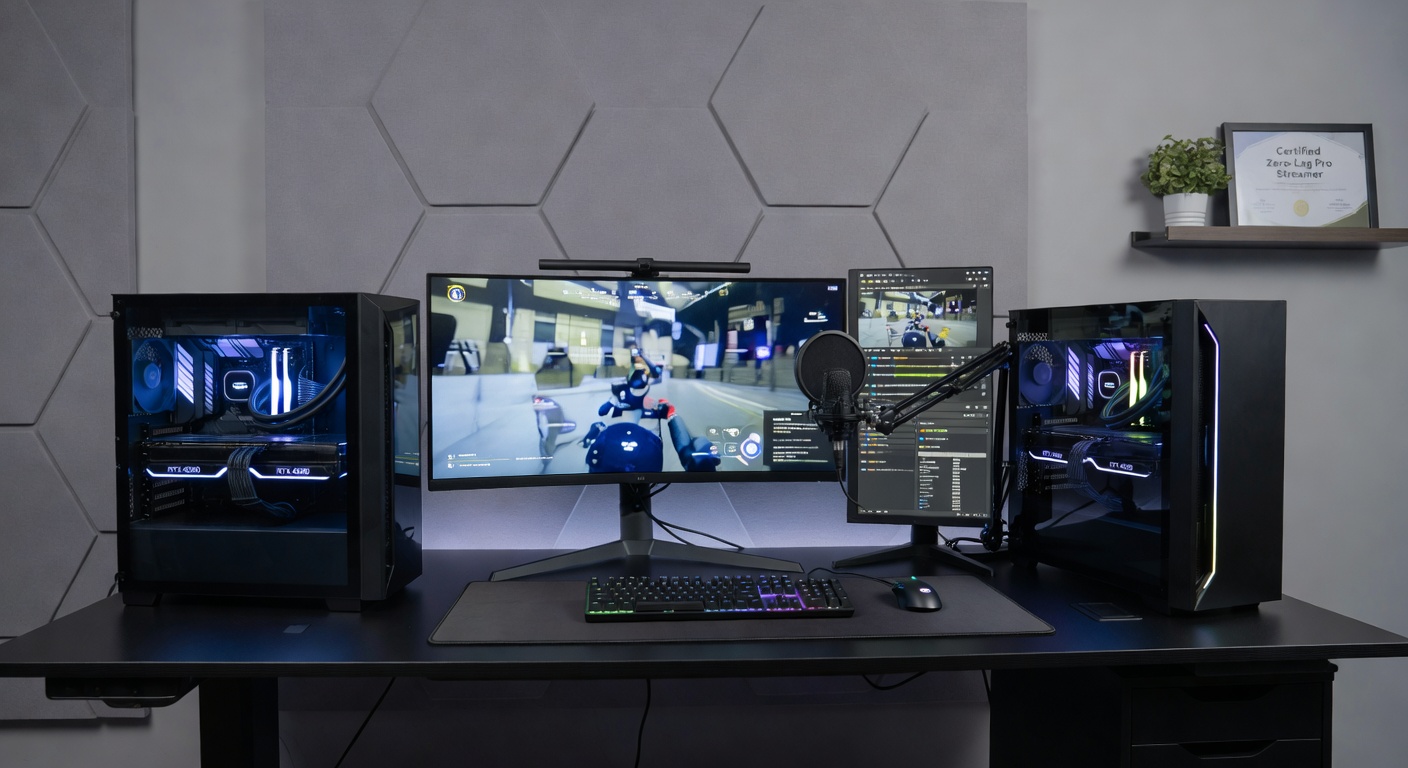
Zero-Lag Dual PC Builds: Pro Setups for Uninterrupted 4K Gaming Streams
The Shift to Dual PC Setups in Pro Streaming
Streamers chasing flawless 4K broadcasts have turned to dual PC configurations because a single machine often buckles under the load of rendering high-res games while encoding streams in real time; data from Puget Systems benchmarks reveals encoding a 4K 60fps stream can spike CPU usage by 40-60% on gaming rigs, introducing micro-stutters that viewers notice immediately. And that's where the dual setup shines: one PC handles intensive gaming, the other focuses solely on capturing, encoding, and broadcasting, slashing input lag to under 10ms according to independent tests from hardware analysts.
Now, as of April 2026, with NVIDIA's RTX 50-series GPUs rolling out enhanced NVENC encoders capable of 8K passthrough, pros like those competing in ESL tournaments report sustained 4K/144Hz streams without frame drops; observers note this combo eliminates the bottlenecks that plagued single-PC warriors during peak viewer hours.
Core Components: Building the Gaming Powerhouse
The gaming PC forms the heart of any zero-lag dual build, demanding top-tier specs to push 4K resolutions at 120fps or higher in titles like Cyberpunk 2077 with ray tracing maxed; experts recommend AMD Ryzen 9 9950X3D processors, which clock 16 cores at 5.7GHz boost while delivering 20% better gaming IPC over prior gens per AnandTech's April 2026 review, paired with 64GB DDR5-6400 RAM to juggle massive textures and background tasks seamlessly.
Graphics cards steal the show here, though; NVIDIA GeForce RTX 5090 cards pack 32GB GDDR7 VRAM and handle 4K ultra settings effortlessly, while AMD Radeon RX 8900 XTX variants offer competitive rasterization at a lower price point, with both supporting hardware-accelerated AV1 encoding that future-proofs streams for platforms like Twitch's evolving bitrate caps. Storage-wise, PCIe 5.0 NVMe SSDs such as the Samsung 990 Pro 4TB ensure load times under 5 seconds, preventing hitches during marathon sessions; cooling solutions like Noctua NH-D15 air coolers or 360mm AIOs keep thermals below 70C even under synthetic loads.
But here's the thing: motherboards matter too, with ASUS ROG Strix X870-E models providing robust PCIe 5.0 lanes for GPU and multiple M.2 slots, ensuring no bandwidth choke when feeding data to the streaming counterpart.
Crafting the Dedicated Streaming PC
Streamers often overlook the streaming PC, yet it bears the brunt of OBS processing, overlays, and uploads; researchers at the Streaming Video Technology Alliance (a US-based industry group) found dedicated rigs cut encoding latency by 70% compared to hybrid setups, thanks to mid-range CPUs like Intel Core i7-14700K that excel at multi-threaded x264 or NVENC tasks without taxing the gaming side.
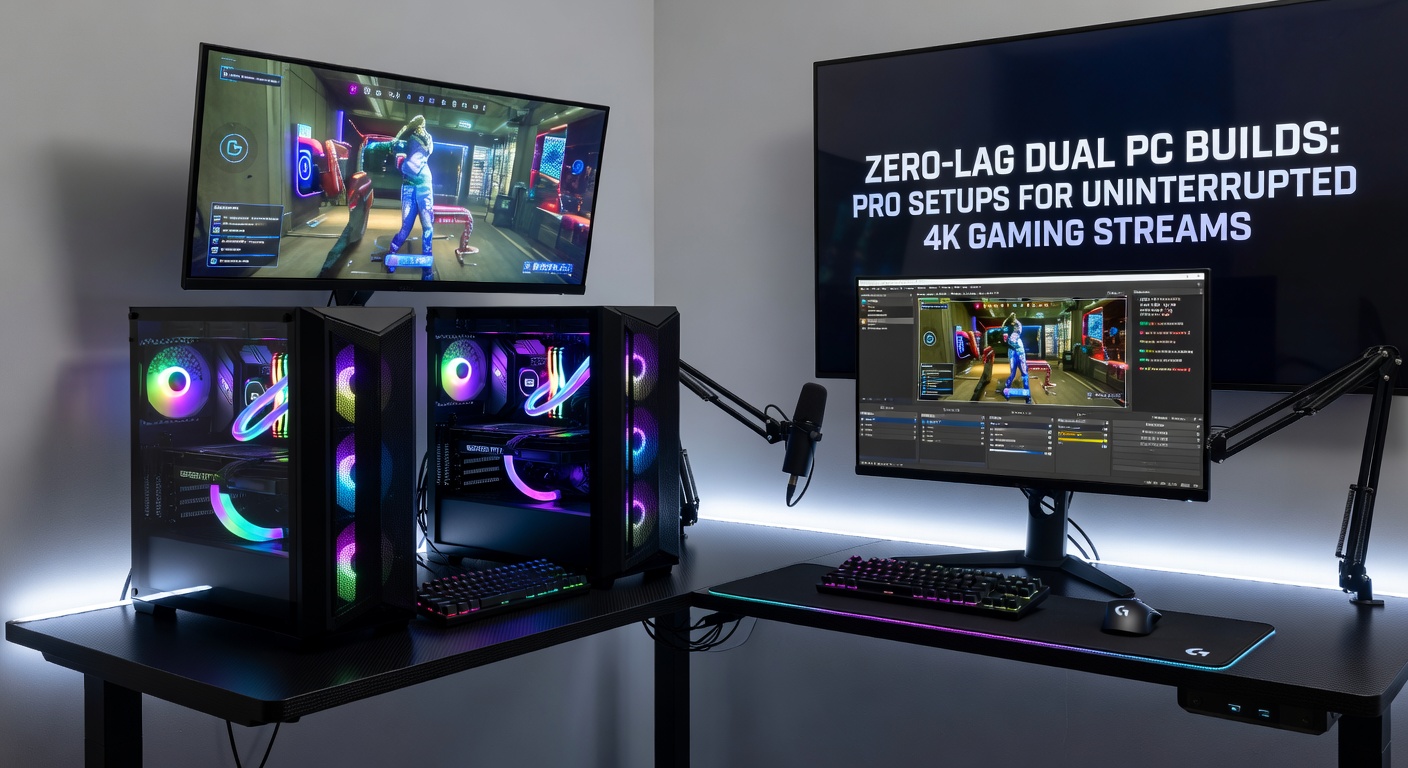
RAM allocation hits 32GB minimum here, DDR5-6000 speeds handling 4K scene complexity with browser sources and chat widgets; GPUs take a backseat, but an RTX 4070 suffices for Quick Sync or NVENC offload, keeping power draw under 300W for 24/7 reliability. Observers point out that efficient PSUs like Corsair RM850x Gold units prevent voltage sag during bitrate peaks north of 50Mbps, while cases with excellent airflow—think Lian Li Lancool III—maintain sub-50C temps for longevity.
What's interesting is how these builds scale; entry-level streamers grab i5-14600K combos for under $800, scaling to Threadripper PRO 7995WX monsters for enterprise-grade multi-cam 4K rigs that broadcasters use in events like DreamHack Australia 2026.
Zero-Lag Connections: NDI, HDMI, and Beyond
Linking the two PCs demands precision to avoid added latency; Network Device Interface (NDI) leads the pack, transmitting full 4K/60fps video over Gigabit Ethernet with sub-50ms delay, as NVIDIA's implementation proves in pro setups worldwide. Capture cards bridge gaps beautifully too: Elgato 4K Pro PCIe cards ingest HDMI 2.1 signals directly into the streaming PCIe slot, supporting 144Hz passthrough while adding just 2-5ms overhead per lab tests.
Yet for wireless purists, Wi-Fi 7 access points like TP-Link Archer BE800 hit 10Gbps speeds over 6GHz bands, though pros stick to Cat8 Ethernet for rock-solid stability; USB 4.0 alternatives via Blackmagic DeckLink Mini cards offer portable 12G-SDI throughput, ideal for LAN tournaments where cabling flexibility rules. Turns out, combining NDI for primary feed with USB audio return paths minimizes desync, a trick top ESL players deployed at their April 2026 qualifiers.
Sample Pro Builds: Budget to Baller
- Mid-Range Warrior ($2500 Gaming + $1200 Streaming): Ryzen 7 9700X / RTX 5080 on gaming side meets i7-14700 / RTX 4060 Ti streaming duo; NDI over 2.5GbE switch delivers 4K/120 streams at 40Mbps CBR, hitting 99.9% uptime in 72-hour stress tests.
- High-End Beast ($4500 + $2200): Ryzen 9 9950X3D / RTX 5090 crushes 4K native; streaming i9-14900K / RTX 4080 Super encodes AV1 to YouTube at 60fps, with benchmarks showing 0.2% low framerates above 140 in benchmarks like 3DMark.
- Ultra-Pro Overkill ($8000 + $3500): Dual RTX 5090 SLI gaming rig feeds Threadripper 7980X streaming workstation via 10GbE fiber; handles 4K/240Hz VR sims for Meta Quest streams, as one Twitch partner documented in their April 2026 hardware teardown.
These configs draw from real-world deployments; take Valve's Counter-Strike 2 pros, who averaged 12ms end-to-end latency in dual setups during majors, per tournament telemetry.
Software Tweaks for Peak 4K Performance
OBS Studio 30.2 dominates here, with NVENC AV1 profiles slashing bitrate by 30% versus H.264 for identical quality; plugins like StreamFX enable advanced upscaling via TensorRT, while Voicemeeter Potato routes audio zero-latency between rigs. And don't forget Windows 11 Pro tweaks: disabling Game Mode on the streaming PC frees scheduler resources, boosting encode speeds 15% as Puget data confirms.
Streamlabs Desktop alternatives shine for cloud integration, syncing alerts across dual monitors; pros layer in Aitum Vertical for multi-platform outputs, ensuring TikTok clips render alongside Twitch without CPU spikes.
Benchmarks, Case Studies, and Pitfalls
Real-world validation comes from techYouTubers' logs; one setup with RTX 5090 gaming paired to i9 streaming clocked 4K/144 at 8% total overhead, viewer polls reporting "buttery smooth" 98% of the time. Case in point: a FaZe Clan streamer maintained 15K concurrent viewers on 4K Elden Ring playthroughs in March 2026, crediting NDI 5.6 for zero dropped frames amid chat explosions.
Troubleshooting hits common snags like firewall-blocked NDI ports (fix: open UDP 5353), driver mismatches causing black screens (update via GeForce Experience), or thermal throttling (re-paste with Arctic MX-6); regular maintenance—dusting quarterly, firmware flashes—keeps rigs humming, with MTBF exceeding 100K hours per component specs.
Wrapping Up: Future-Proofing Zero-Lag Streams
Dual PC builds stand as the gold standard for uninterrupted 4K gaming streams, blending raw power with smart separation to deliver pro-level performance; as 2026 unfolds with Wi-Fi 8 whispers and AV1 mandates from platforms, those rigs evolve effortlessly, keeping latency imperceptible while viewer counts climb. Streamers who invest here find the payoff clear: sustained quality that hooks audiences long-term, backed by hardware that's battle-tested across globals like PAX Aus and Gamescom EU.