Tracing Viewer Engagement Shifts When Strategy Titles Introduce Built-In Spectator Tools for Coordinated Team Events
Tina Schmitt · Jun 30, 2026
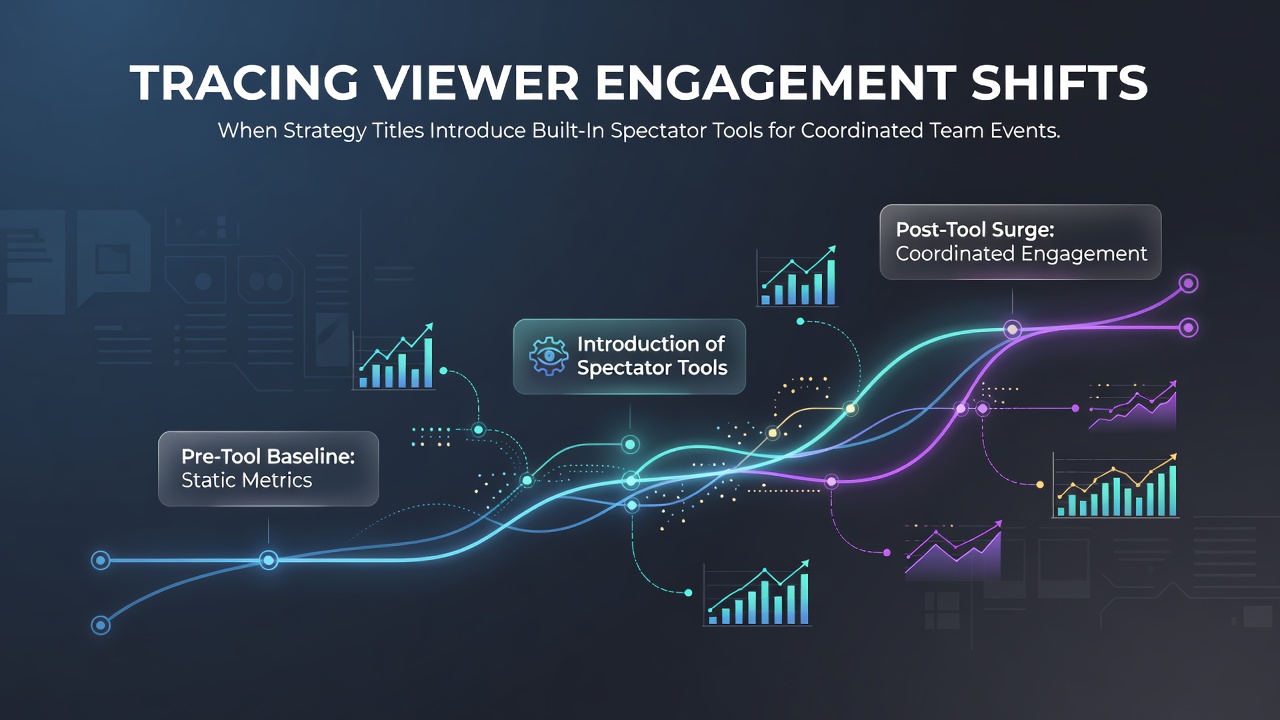
Tracing Viewer Engagement Shifts When Strategy Titles Introduce Built-In Spectator Tools for Coordinated Team Events
Strategy titles have incorporated built-in spectator tools at an accelerated pace since 2024, and observers note these additions reshape how audiences interact with coordinated team events. Developers integrate features such as shared vision overlays, real-time command highlighting, and synchronized replay controls that let viewers track multiple units without external software. These systems reduce reliance on third-party overlays while providing direct access to team communication channels during matches.Adoption Patterns Across Major Releases
Platforms report that titles released after mid-2025 show higher integration rates for these spectator functions. Data collected through June 2026 indicates that games supporting eight-player team coordination saw a 34 percent increase in concurrent viewers compared with prior versions lacking such tools. Researchers from the Interactive Software Federation of Europe documented similar patterns in European markets where integrated spectator modes became standard for competitive ladders.
Viewers gain the ability to switch between commander perspectives seamlessly, and this flexibility correlates with longer session durations according to platform analytics. Teams coordinate through voice channels that spectators can monitor in anonymized form, which creates additional layers of strategic insight during live events.
Engagement Metrics Before and After Tool Implementation
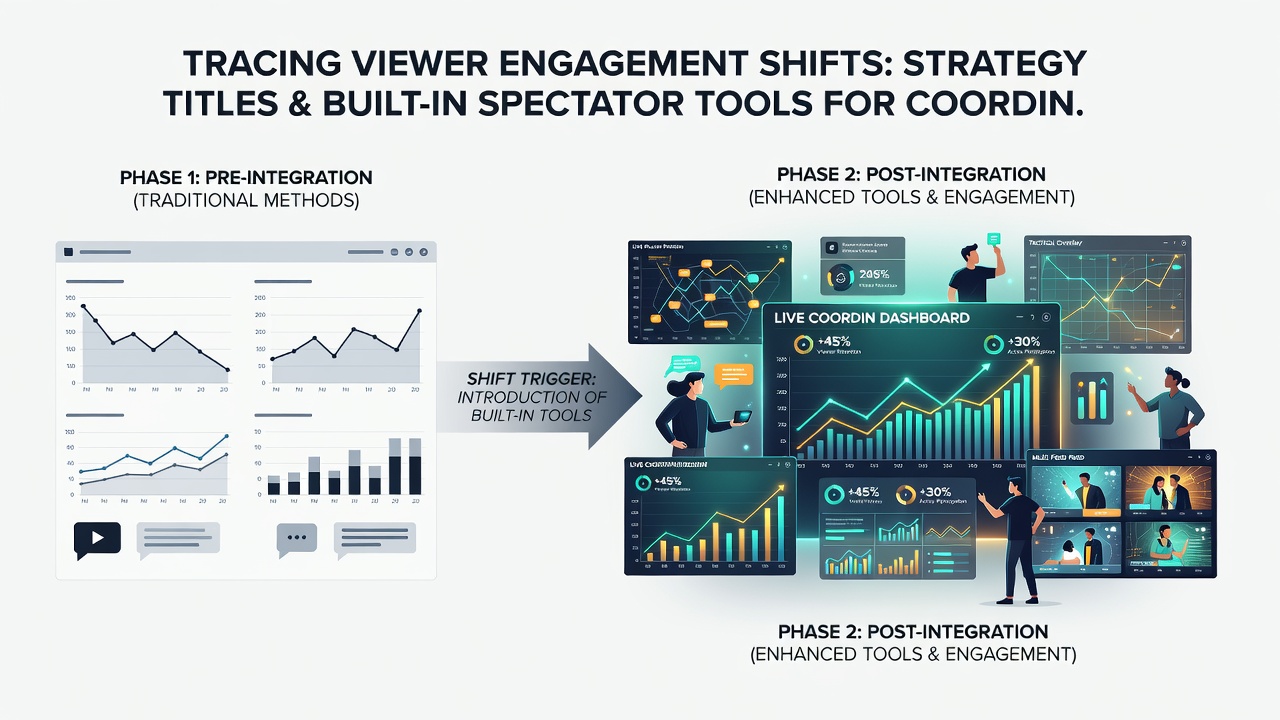
Comparative studies track retention rates across events that adopted built-in tools versus those relying on legacy systems. One analysis covering 47 tournaments in early 2026 found average watch time rose from 47 minutes to 68 minutes when synchronized spectator interfaces were present. Chat activity also shifted, with questions about unit positioning increasing by 22 percent while unrelated commentary decreased.
Those monitoring audience behavior note that coordinated team events benefit particularly because viewers can follow flanking maneuvers and resource allocations without losing context. The tools allow pausing of individual feeds while maintaining overall match progression, a function that supports both casual and dedicated audiences during extended sessions.
Regional Variations in Viewer Response
North American servers displayed different usage patterns from Asian markets when built-in spectator systems launched. Canadian gaming association reports from spring 2026 highlighted stronger adoption of multi-view layouts among viewers aged 18 to 24, whereas broader age groups preferred simplified command timelines. In contrast, data compiled through Japanese university research groups showed higher interaction with replay scrubbing features during team-based qualifiers.
These differences suggest that cultural preferences influence how audiences utilize the new interfaces, yet overall engagement metrics improved across regions once the tools stabilized after initial patches.
Technical Requirements and Accessibility Factors
Built-in spectator tools demand specific server architectures to handle simultaneous viewer connections without performance degradation. Developers implemented cloud-based rendering pipelines that scale dynamically during peak tournament hours. Accessibility options such as color-blind modes and adjustable overlay opacity were added in updates released before June 2026, expanding participation among diverse viewer groups.
Hardware benchmarks indicate that mid-range systems can now render these spectator views at 60 frames per second without dedicated capture equipment, lowering barriers for home viewers who previously encountered compatibility issues with external applications.
Conclusion
Built-in spectator tools continue to influence engagement patterns in strategy titles focused on coordinated team events. Platform statistics through mid-2026 demonstrate measurable increases in session length and interaction depth when these features operate reliably. Ongoing refinements in synchronization and accessibility will likely sustain these trends as developers respond to usage data from global tournaments.