Synchronized Heart Rate Data Integration in Professional Tournament Streams for Viewer Immersion Analysis
Zara Franke · Jun 13, 2026
Synchronized Heart Rate Data Integration in Professional Tournament Streams for Viewer Immersion Analysis
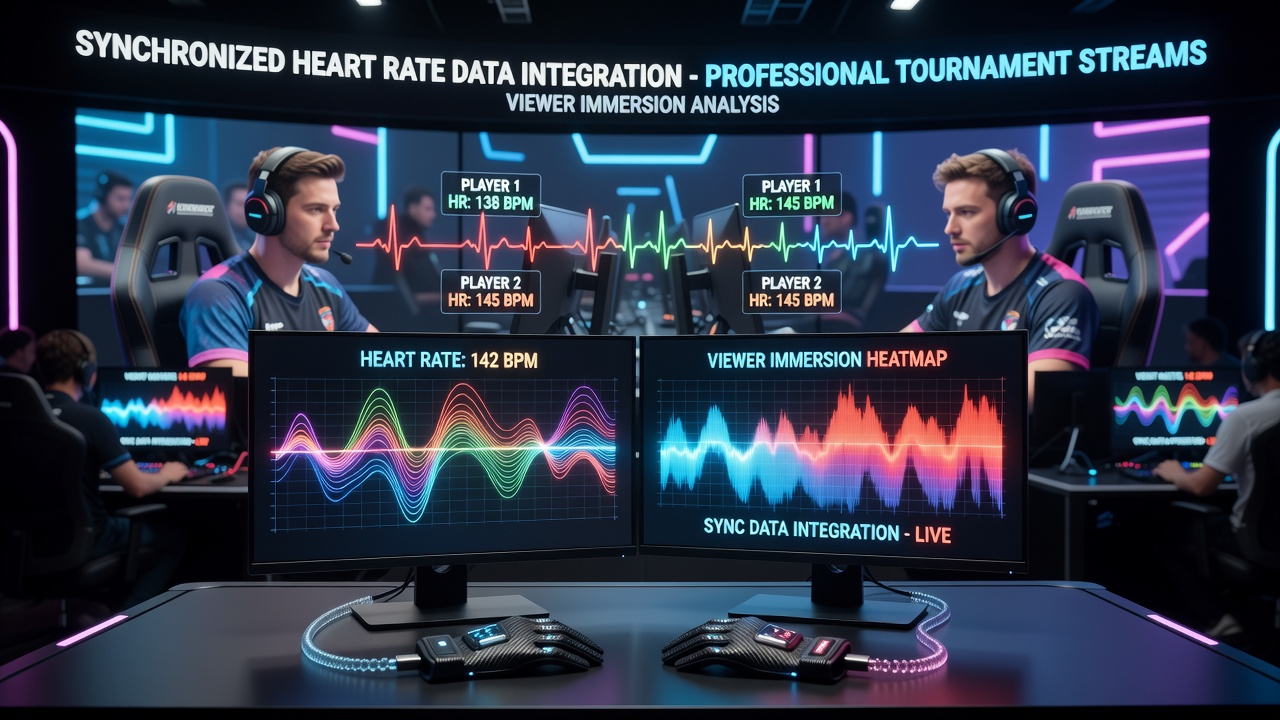
Professional tournament organizers have incorporated synchronized heart rate data into live streams as a method to enhance viewer engagement through biometric overlays that display real-time player physiological responses during competitive matches and this integration relies on wearable sensors paired with streaming software that timestamps and transmits pulse information alongside gameplay footage while analysts examine retention metrics to determine how such data affects audience attention spans across extended sessions.
Core Technology Components
Wearable devices from manufacturers supply continuous heart rate readings that stream platforms capture through APIs designed for low-latency transmission and these readings sync with video feeds using timestamp protocols so overlays appear precisely when a player experiences spikes during critical moments in matches which allows production teams to align visual elements without disrupting broadcast flow. Software frameworks handle the data pipeline by converting raw sensor outputs into graphical representations such as line graphs or color-coded indicators that appear on screen for viewers while backend systems log the information for later review by researchers studying immersion patterns.
Implementation Across Major Events
Tournament operators in various regions have tested these systems during high-profile events where players consent to monitoring and the resulting data feeds into custom overlays that update every few seconds to reflect changes in exertion levels yet the process requires calibration to account for individual baseline variations among competitors so accuracy remains consistent throughout long formats. In June 2026 several international circuits expanded this practice to include multi-player synchronization that displays comparative heart rate trends between opposing teams which provides additional context for commentators explaining momentum shifts without relying solely on visual game cues.
Viewer Immersion Analysis Methods
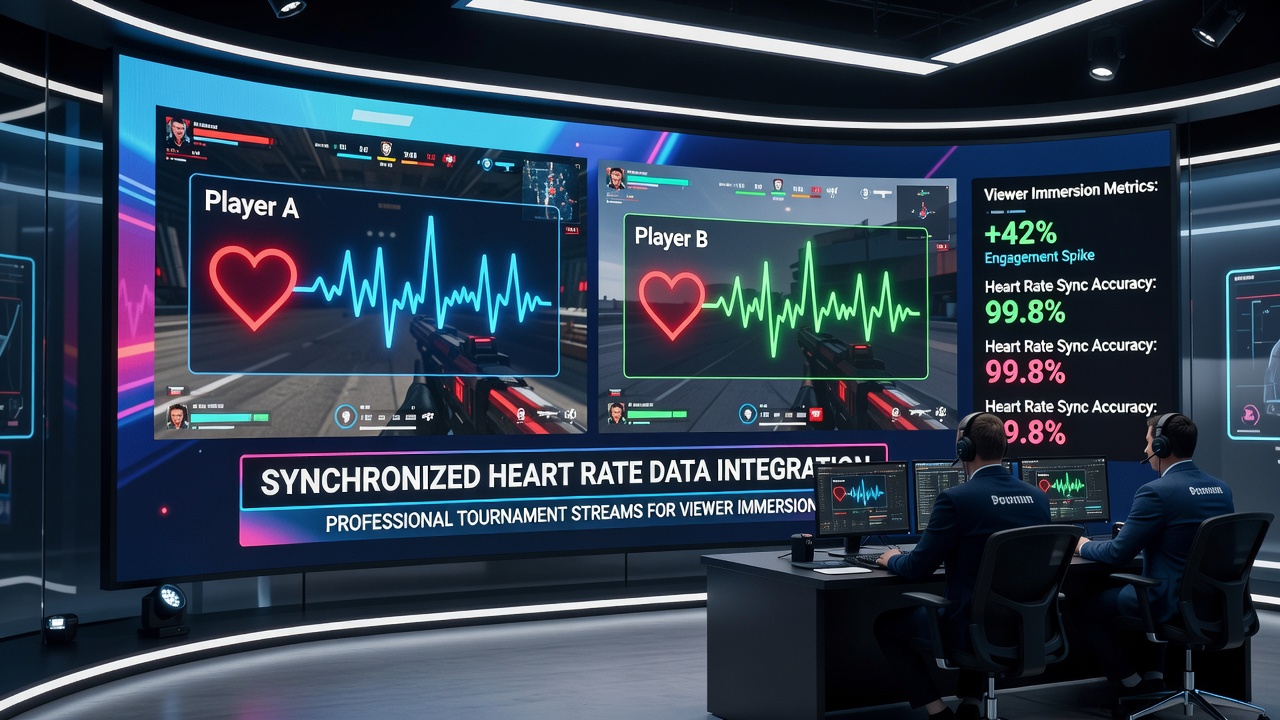
Researchers collect viewer data through platform analytics that track watch time alongside moments when heart rate overlays appear and studies from institutions such as those affiliated with IEEE indicate correlations between biometric displays and prolonged session durations in genres like fighting games or MOBAs where tension builds rapidly. Analysis involves segmenting broadcast timelines to isolate the impact of these elements on metrics such as chat activity spikes or drop-off rates while controlling for variables like match duration and commentator styles to isolate the contribution of physiological data presentation.
Data Patterns and Regional Variations
Figures from broadcasts reveal that heart rate visualizations tend to coincide with increased viewer retention during comeback sequences whereas steady-state periods show less pronounced effects and observers note differences in adoption rates between North American circuits that favor aggressive overlay designs and European events that prioritize minimalistic presentations to avoid screen clutter. Academic reviews compiled by groups including the Audio Engineering Society examine how audio cues paired with these visuals further modulate immersion by syncing commentator excitement levels to detected pulse elevations which creates layered sensory experiences for remote audiences.
Challenges in Synchronization Accuracy
Network variability can introduce minor delays in data transmission that teams mitigate through buffering techniques and predictive algorithms yet these adjustments demand ongoing refinement as tournament venues change and hardware updates occur across seasons and production crews conduct pre-event tests to verify alignment between sensor outputs and on-screen elements so discrepancies do not distract from the core viewing experience. Privacy protocols govern the handling of player information with aggregated datasets used for analysis rather than individual records which maintains compliance while still yielding insights into collective performance trends under pressure.
Future Developments in Integration
Developments in sensor miniaturization and wireless protocols continue to support broader deployment across additional game titles and analysts anticipate expanded use of machine learning models that predict optimal overlay timing based on historical engagement data from prior tournaments which could refine the synchronization process further. Regional broadcasters in Asia and Oceania have begun piloting hybrid systems that combine heart rate feeds with eye-tracking information to create richer immersion profiles although these remain in early testing phases as of mid-2026.
Conclusion
Synchronized heart rate data integration represents an established technique in professional tournament streaming that combines sensor technology with analytical review to support viewer retention and the approach continues to evolve through refinements in transmission methods and presentation formats across global events.