Spectator Input Loops Reshape Level Design Choices in Persistent World Titles
Zara Franke · Jul 23, 2026
Spectator Input Loops Reshape Level Design Choices in Persistent World Titles
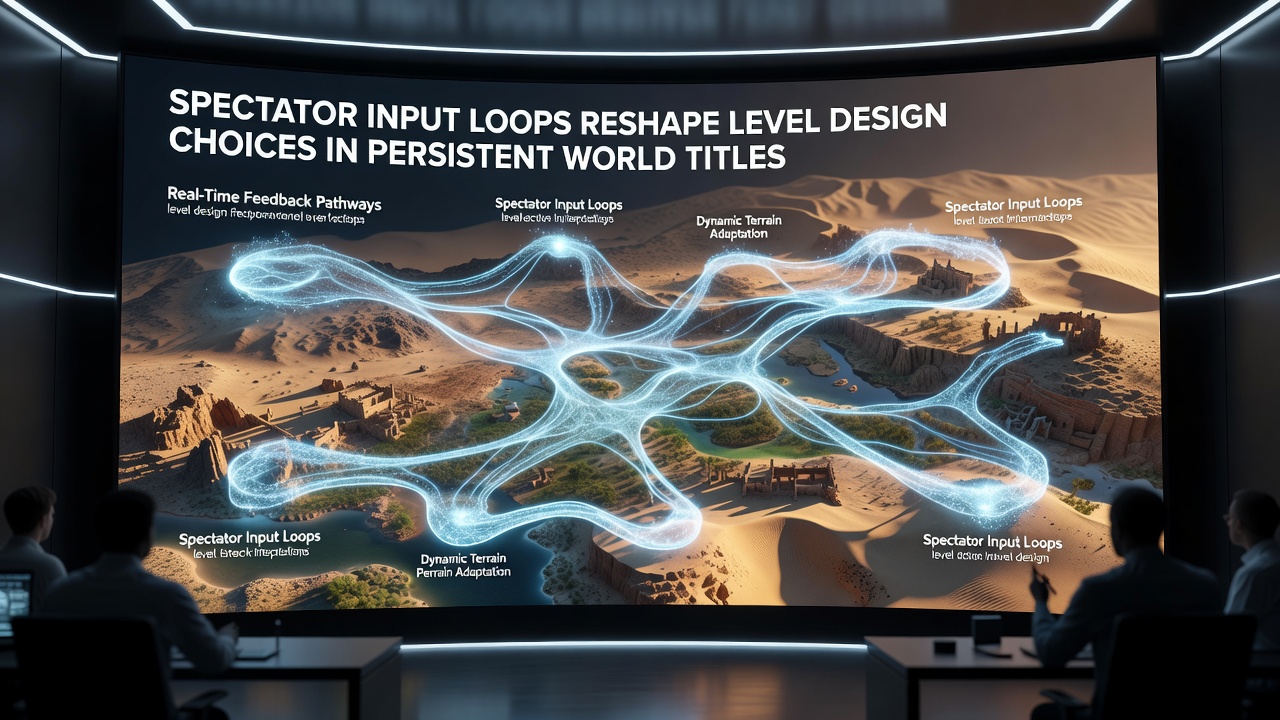
Persistent world titles have integrated spectator input loops into core development pipelines, allowing viewer feedback from streams and in-game observation systems to directly influence terrain layouts, quest structures, and resource distribution patterns. Developers collect data through chat commands, voting mechanics, and telemetry from broadcast platforms, then feed those signals into iterative design updates that alter zones while players remain active in the environment.
Mechanics Behind Spectator Input Integration
Input loops operate through middleware that captures real-time signals from thousands of simultaneous viewers, converts them into weighted parameters, and pushes those parameters to live servers for level adjustments. In titles released or updated before July 2026, studios implemented modular zone editors that accept external variables such as viewer-voted environmental hazards or community-selected spawn rates without requiring full server restarts. Researchers at institutions across North America and Europe have documented how these systems reduce iteration cycles from weeks to hours by routing spectator data through automated validation scripts that flag conflicts with existing physics or AI pathing.
Persistent worlds rely on continuous synchronization between client states and backend databases, so spectator-driven changes must preserve consistency across regions that players occupy simultaneously. Engineers achieve this through phased rollout protocols that test modifications on isolated shards before propagating them globally, ensuring that a viewer vote favoring denser foliage in one continent does not break navigation for users already traversing that area.
Level Design Adaptations Observed in Practice
Design teams now construct base geometry with interchangeable components such as modular building kits and dynamic foliage clusters that accept parameter overrides from spectator loops. Data from multiple titles shows that zones receiving frequent viewer input experience higher retention metrics because layouts evolve in response to collective preferences rather than remaining static after initial launch. Observers note that developers place emphasis on verticality and sightlines during initial creation, anticipating that later spectator votes may add or remove platforms, bridges, or vantage points to accommodate shifting engagement patterns.
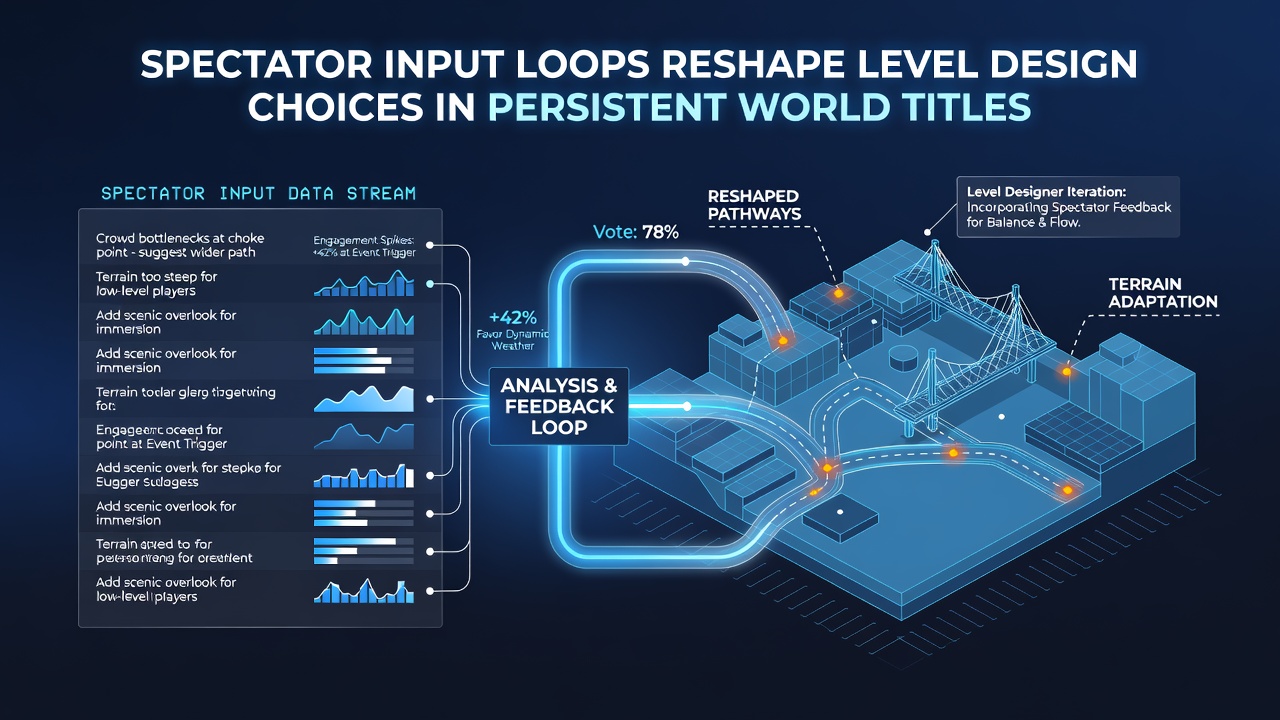
Resource nodes and event triggers receive similar treatment, with spawn tables adjusted through weighted averages derived from viewer activity logs. A study conducted by Australian academic researchers found that persistent worlds incorporating these adjustments recorded measurable increases in session duration when spectator participation exceeded 15 percent of total concurrent users. The same analysis indicated that level designers allocate additional budget to backend scripting rather than static art assets because the latter becomes obsolete faster under continuous input pressure.
Technical Infrastructure Supporting Continuous Updates
Cloud orchestration platforms handle the volume of incoming signals by distributing processing across regional data centers, which minimizes latency between viewer vote submission and visible level change. Industry reports from Canadian technology consortia highlight how containerized microservices isolate spectator input handling from core gameplay loops, preventing broadcast spikes from affecting player movement or combat resolution. Persistent world operators maintain audit trails that log every parameter shift back to its originating spectator source, allowing compliance teams to verify that modifications align with platform policies established by regulatory bodies in multiple jurisdictions.
Version control systems adapted for live environments track both code commits and data-driven alterations, creating a unified history that designers review during post-update analysis sessions. This approach enables teams to identify which spectator suggestions produced stable improvements versus those that required rollback within the first 24 hours of deployment.
Future Trajectories Through Mid-2026
By July 2026, several major publishers had expanded spectator input frameworks to include predictive modeling that anticipates viewer preferences based on historical patterns across similar titles. These models feed preliminary design proposals to level artists before formal votes occur, shortening the gap between community signal and implemented change. European research consortia continue to examine how such predictive layers interact with existing netcode architectures, particularly in titles supporting cross-platform play where input latency varies by device type.
Conclusion
Spectator input loops have become embedded infrastructure within persistent world development, driving measurable shifts in how level designers approach modularity, synchronization, and resource allocation. The combination of real-time data pipelines, phased rollout systems, and modular geometry standards allows worlds to evolve according to aggregated viewer signals while maintaining operational stability for active players. Continued refinement of these processes through 2026 adn beyond depends on ongoing collaboration between engineering teams, academic researchers, and platform operators seeking balanced integration of external participation with core gameplay integrity.