Peripheral Pioneers: Custom Controller Mods Fueling Deeper Audience Interactions in Competitive Play Broadcasts
Zara Franke · May 19, 2026
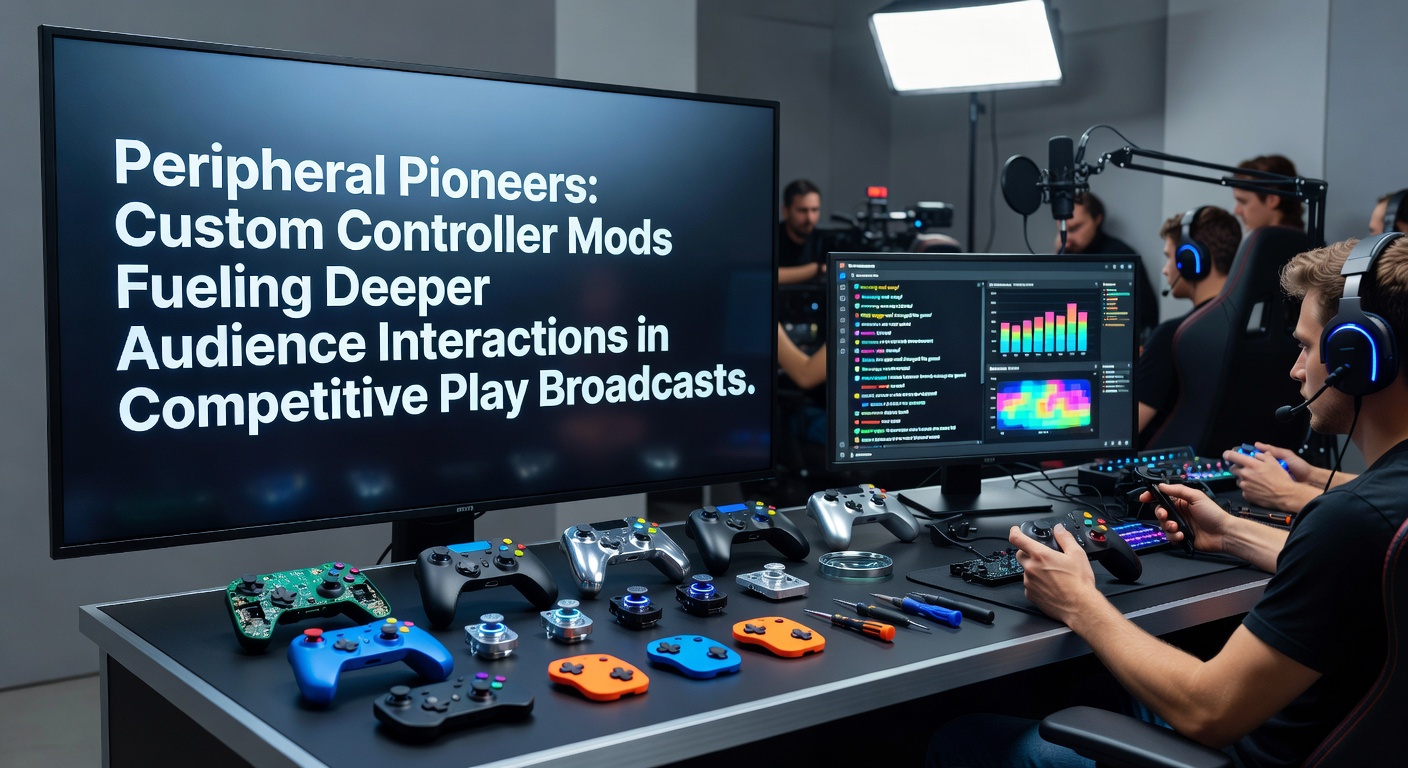
Peripheral Pioneers: Custom Controller Mods Fueling Deeper Audience Interactions in Competitive Play Broadcasts
Custom controller modifications have emerged as a notable development in competitive gaming broadcasts, where players and production teams integrate specialized hardware adjustments that extend beyond standard input devices. These mods often incorporate additional sensors, programmable macros, and visual feedback systems that allow streams to display real-time data from controller inputs directly to viewers. In May 2026, several major esports events featured such setups during qualifiers for international tournaments, highlighting how peripheral innovations support layered audience engagement through shared control visualizations and interactive overlays.
Hardware Adjustments and Their Role in Broadcasts
Observers note that custom controller mods typically involve alterations to button layouts, analog stick tension, and added haptic modules that translate player actions into on-screen graphics visible to remote audiences. Research from industry reports indicates these changes enable broadcasters to render input timelines and pressure metrics that appear alongside gameplay footage. Data from tournament organizers shows increased viewer retention when streams incorporate these elements because audiences gain insight into precise timing and decision points that standard camera angles alone cannot convey.
Production crews achieve this by connecting modified controllers to capture software that logs every deviation from factory specifications. Engineers have documented cases where custom firmware routes signals through secondary displays that highlight successful combos or near-miss inputs for chat participants to discuss in real time. Such configurations appeared prominently during regional finals held across North America and Europe in early 2026, where technical teams synchronized controller data streams with audience polling features.
Interactive Elements That Connect Viewers to Play
Figures from gaming associations reveal that mods equipped with modular expansion ports allow streamers to route specific functions to viewer-controlled interfaces. One documented setup used additional trigger paddles linked to audience-voted options that temporarily altered in-game parameters during exhibition matches. Those who have examined broadcast archives from May 2026 events point out that these integrations coincided with measurable spikes in concurrent chat activity and secondary screen usage among spectators.
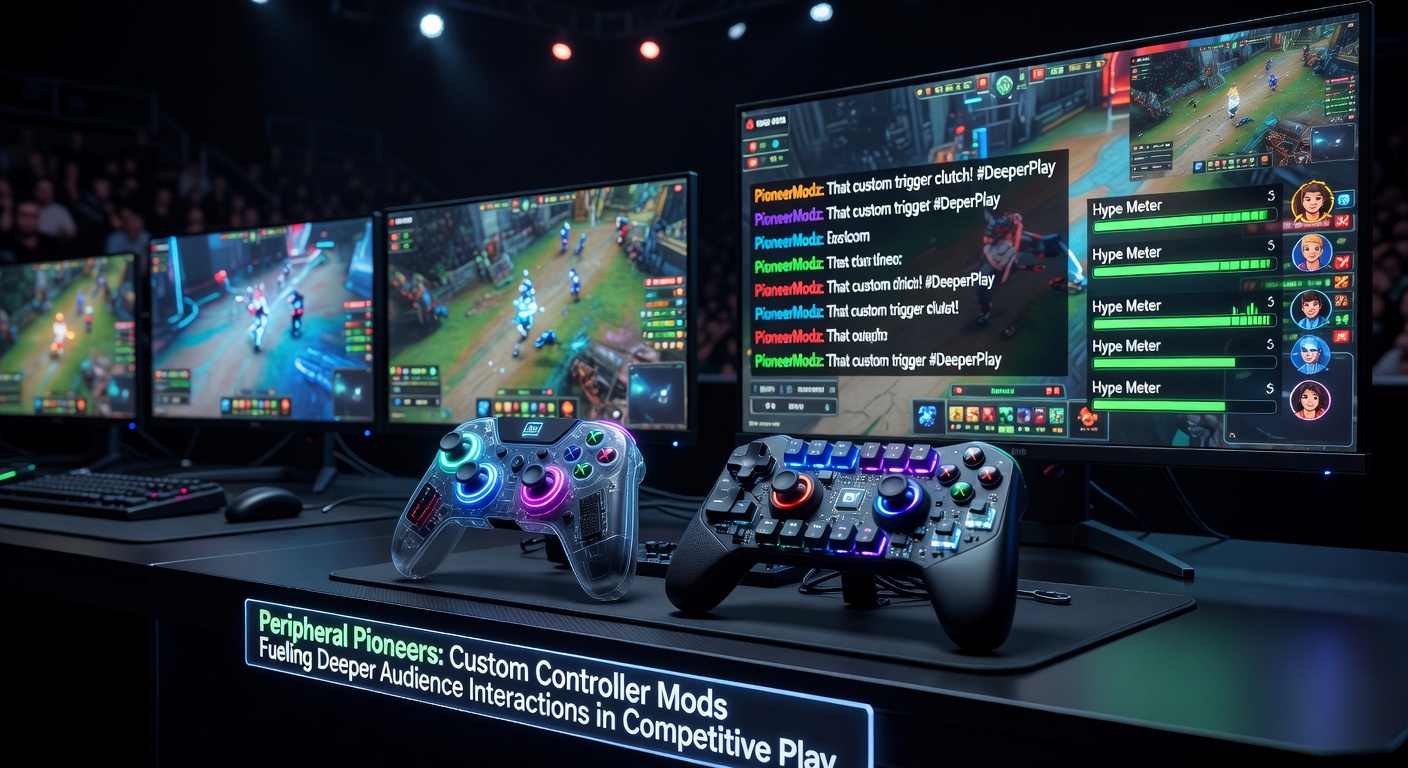
Technicians achieve deeper connections by embedding LED arrays or small screens directly into controller casings, which light up in patterns synchronized with on-stream events. Viewers then interpret these physical cues through dedicated broadcast windows that zoom in on the hardware itself. Studies conducted by European research institutions have tracked how such visual extensions reduce the cognitive distance between remote audiences and on-stage competitors, particularly in fighting game and real-time strategy titles where input precision determines outcomes.
Technical Implementation Across Different Regions
Teams in Asia-Pacific markets have adopted lightweight carbon-fiber shell replacements that reduce weight while housing extra telemetry chips. According to reports issued by the Interactive Games and Entertainment Association, these regional adaptations support lower-latency data transmission to streaming platforms that serve viewers in areas with variable network conditions. Meanwhile, North American leagues have focused on modular grip systems that accommodate different hand sizes, allowing commentators to explain ergonomic choices that affect performance consistency across extended match series.
Integration with existing capture hardware requires calibration routines that align controller output with graphics engines used by production software. Broadcast engineers report that once calibrated, the system can generate heat-map overlays showing frequent button presses, which audiences reference when analyzing replays. Such features gained traction after organizers incorporated them into official production kits distributed for the 2026 circuit.
Measurable Outcomes in Audience Participation
Analytics platforms tracking esports viewership have recorded elevated interaction rates when custom mods feed data into companion applications. Participants in these streams often submit predictions about upcoming inputs based on visible mod indicators, creating secondary engagement layers separate from core gameplay commentary. Government-supported digital media initiatives in Canada have funded pilot programs examining how these hardware additions affect accessibility for viewers with varying levels of game familiarity.
Longer broadcast segments benefit because the added visual elements provide natural transition points between matches without requiring extra commentary filler. Production logs from events in May 2026 demonstrate that teams using these mods maintained higher average watch times compared to standard controller configurations, as the hardware itself became a focal point for expert analysis segments.
Future Directions for Peripheral Integration
Developers continue refining wireless protocols that maintain synchronization between modified controllers and multi-camera setups. Industry groups have begun drafting guidelines for standardized data formats that would allow different mod types to interface seamlessly with various streaming platforms. Observers tracking hardware trends anticipate broader adoption as costs for sensor components decrease and compatibility with major console ecosystems improves.
Academic examinations of viewer behavior suggest that tangible representations of player inputs through custom hardware foster stronger identification with competitors. These findings align with ongoing work at research centers focused on interactive media, where controlled experiments compare engagement levels across modified and unmodified broadcast formats.
Conclusion
Custom controller modifications now function as active components within competitive play broadcasts by supplying additional data streams that enrich audience understanding and participation. As technical standards evolve through 2026 and beyond, these peripherals continue to bridge the gap between on-stage execution and remote observation through precise, visible hardware interactions that complement traditional commentary and graphics packages.