Open Source Innovations Driving Software Adaptations in Esports Live Events
Vera Bennett · Jun 2, 2026
Open Source Innovations Driving Software Adaptations in Esports Live Events
Developers across multiple continents have contributed to open source repositories that enable software to adapt dynamically during esports live events and these contributions include modular plugins for data synchronization as well as frameworks for handling variable participant inputs while maintaining broadcast stability and researchers from institutions in Canada and Australia have documented how such tools reduce latency in distributed player environments through collaborative code updates released in early 2026.
Core Frameworks Enabling Real-Time Adjustments
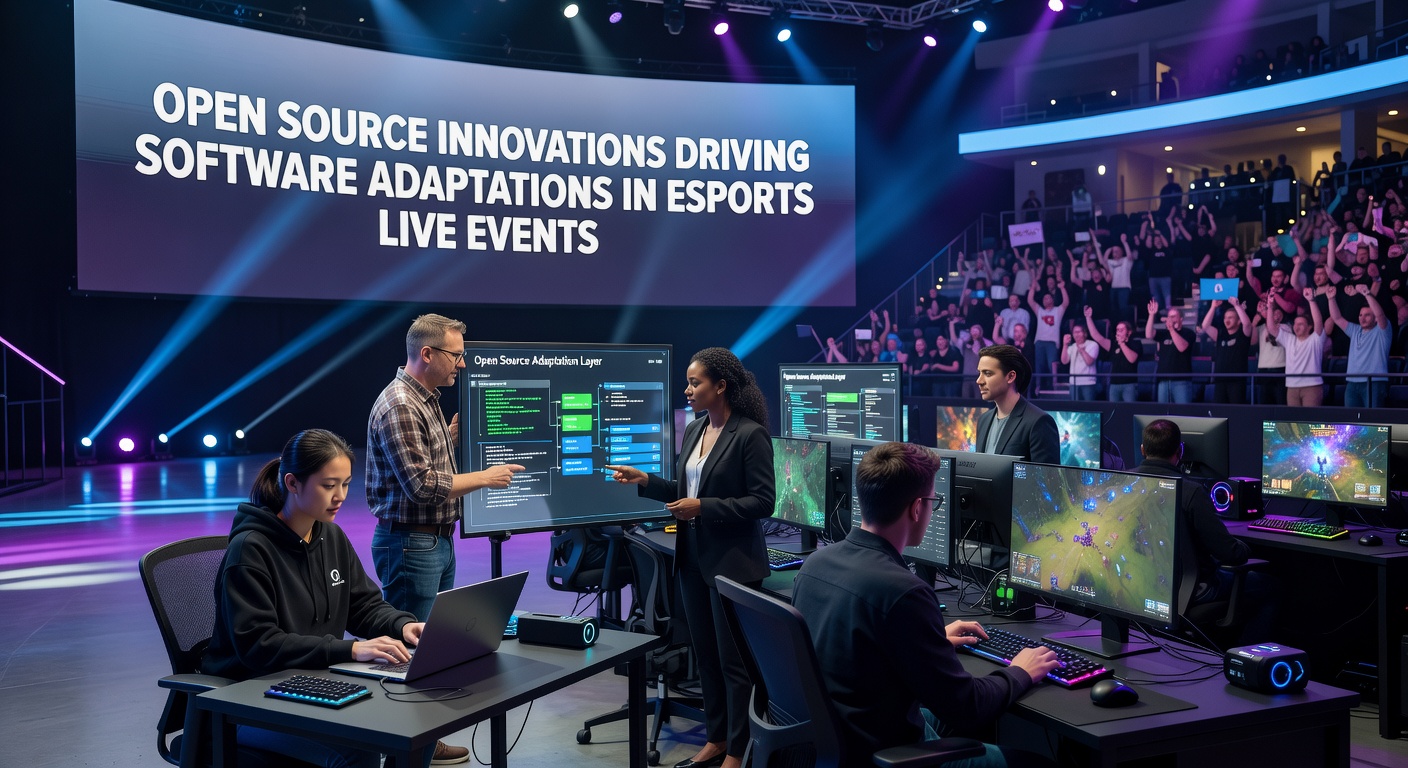
Projects built on established open source foundations allow event organizers to implement custom logic for managing live feeds and according to data compiled by the Australian eSports Federation these frameworks support integration with existing game engines so that software can respond to changes in network conditions or player counts without requiring proprietary licenses and this adaptability proves essential during large-scale tournaments where hundreds of simultaneous connections demand flexible routing protocols.
One notable advancement involves libraries that facilitate automatic scaling of computational resources and studies released by the European Commission's digital single market initiative in June 2026 highlighted several cases where open source solutions processed incoming telemetry streams from competitive matches while adjusting output parameters on the fly and such mechanisms rely on community-maintained codebases that undergo frequent peer review to ensure reliability across different hardware setups.
Collaborative Development of Analytics Modules
Teams working on shared repositories have created modules that parse game state information in real time and these modules connect directly to broadcast software so that visual elements update based on live metrics rather than preconfigured scripts and data from industry reports compiled by the Entertainment Software Association of Canada indicate that adoption rates for these open source analytics tools increased notably between 2024 and 2026 particularly among regional organizers seeking cost-effective alternatives to commercial platforms.
What's interesting here involves the way contributors from varied geographic areas refine these modules to handle specific game titles and observers note that this decentralized approach leads to rapid incorporation of fixes for compatibility issues that arise during extended events and the result appears in smoother integration between player tracking systems and audience-facing displays without centralized oversight.
Networking Protocols and Synchronization Tools
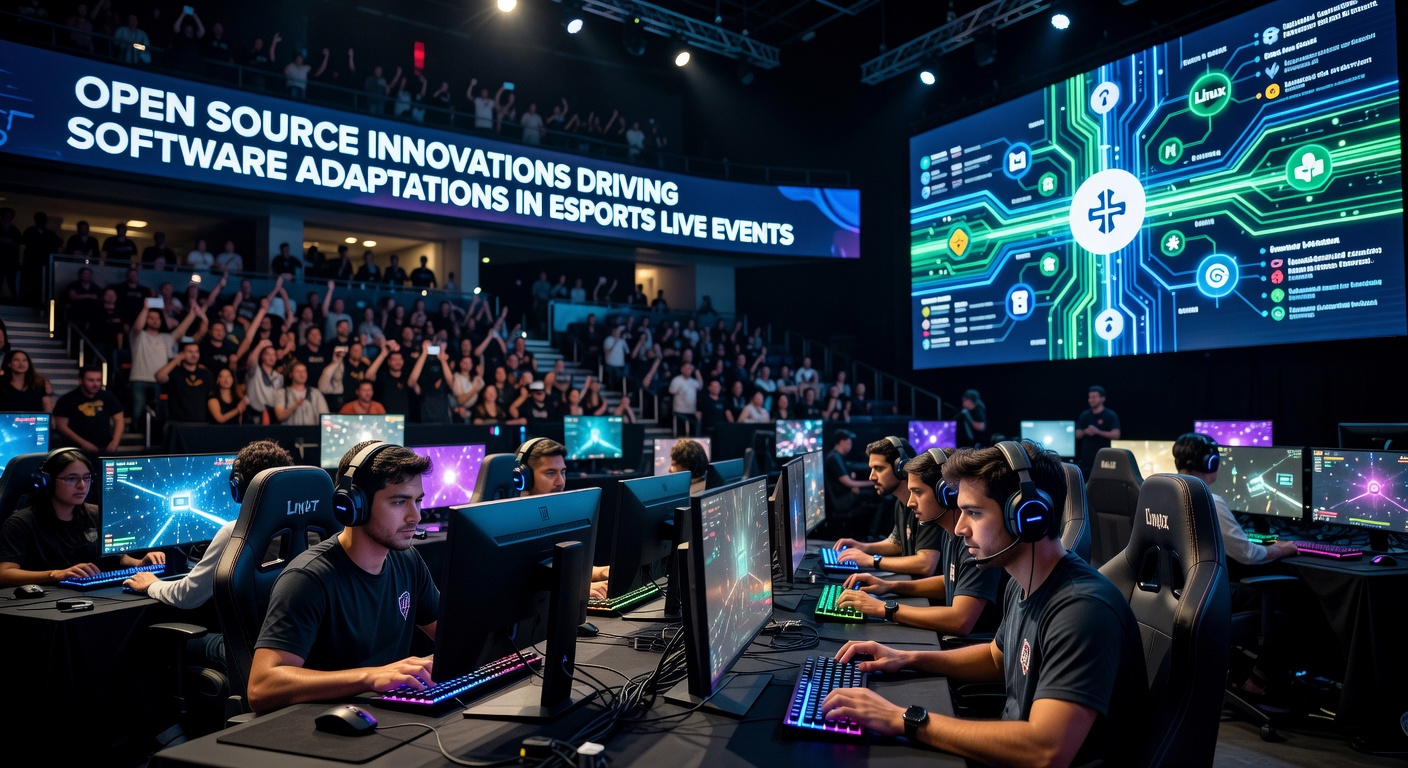
Open source implementations of networking standards have allowed developers to create specialized tools for maintaining coherence across geographically dispersed participants and these tools often build upon established projects such as those focused on WebRTC extensions which handle packet prioritization during high-intensity sequences and figures released through academic partnerships in the United Kingdom show measurable improvements in packet delivery consistency when such adaptations receive ongoing contributions from volunteer coders.
But here's the thing about these developments: they frequently emerge from iterative community discussions on public forums where individuals share test results from actual tournament deployments and this process supports continuous refinement so that software can accommodate new game updates without extensive downtime and researchers tracking these patterns have identified recurring themes around modularity that enable organizers to swap components as requirements evolve.
Integration Patterns Observed in Recent Events
During June 2026 several international competitions incorporated open source adaptations for managing spectator modes and these implementations allowed organizers to route additional data streams through customized pipelines while preserving core functionality and reports from the Asia-Pacific Esports Confederation detail how such integrations supported hybrid events combining physical venues with remote participants through shared code repositories that anyone could audit and modify.
People who've examined these deployments often discover that the open nature of the code encourages cross-pollination between different projects and one example involves a synchronization library originally designed for cooperative survival scenarios that later found use in competitive bracket systems after contributors added features for handling variable team sizes and this kind of evolution demonstrates how shared resources accelerate adaptation across the broader ecosystem.
Conclusion
The ongoing work within open source communities continues to shape how software responds to the demands of esports live events and evidence from multiple sources shows that these innovations provide accessible pathways for organizers to implement tailored solutions and as contributions accumulate the resulting tools support greater flexibility in managing complex broadcast environments while relying on transparent development practices that invite further participation from around the world.