Exploring Viewer Retention Through Dynamic Overlay Adjustments in Genre-Shifting Broadcasts
Tina Schmitt · Jun 11, 2026

Exploring Viewer Retention Through Dynamic Overlay Adjustments in Genre-Shifting Broadcasts
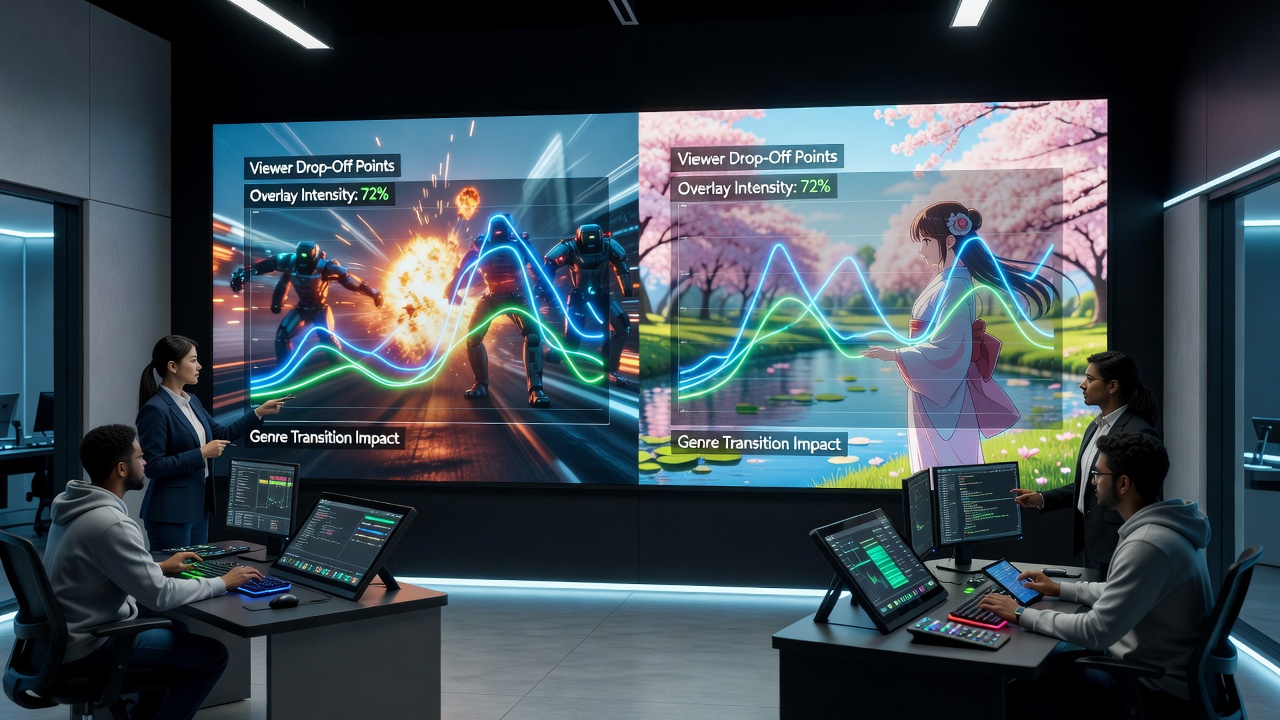
Broadcasters have increasingly turned to dynamic overlay adjustments as a tool for maintaining viewer engagement when programming shifts between genres. These overlays include real-time graphics, information panels, and interactive elements that adapt automatically based on content type. Research from media analytics firms indicates that such adjustments can influence retention rates during transitions, particularly in live and hybrid formats that blend entertainment with informational segments. Observers note several patterns in how these systems operate. When a broadcast moves from high-energy action sequences to slower narrative-driven material, overlays often scale down in visual intensity while expanding textual or contextual details. Data collected across multiple platforms shows measurable differences in average view duration before and after these modifications take effect.Mechanisms Behind Overlay Adaptation
Dynamic overlays rely on automated detection systems that analyze audio cues, visual pacing, and metadata tags embedded in the broadcast feed. Production teams program rulesets that trigger specific changes, such as reducing animation speed during dramatic scenes or introducing supplementary data layers during factual segments. Studies conducted by European Broadcasting Union researchers in 2025 documented how these rule-based triggers reduced abrupt visual shifts that previously correlated with channel changes.
One system deployed by a North American network integrated machine learning models trained on historical retention data. The models predicted optimal overlay density for each genre segment, adjusting transparency levels and placement in real time. Figures released by the network indicated a 12 percent improvement in sustained viewership across programs that incorporated these predictions compared to static overlay baselines.
Retention Patterns Across Genre Transitions
Genre-shifting content presents unique challenges for audience continuity. Viewers tuned into a sports broadcast may encounter a sudden pivot to a lifestyle segment, and without adaptive elements the mismatch can prompt disengagement. Analysts at the Australian Communications and Media Authority tracked audience behavior during such transitions in early 2026, finding that programs using responsive overlays maintained higher concurrent viewership numbers through the changeover points.
Retention metrics tend to vary by demographic as well. Younger audiences respond more readily to animated or gamified overlay elements during lighter segments, whereas older cohorts show stronger retention when overlays emphasize textual summaries or timeline graphics. A report issued in June 2026 by the Canadian Radio-television and Telecommunications Commission highlighted these demographic distinctions across several multi-genre variety series.
Implementation Examples in Live Programming
Live events that cross genres provide clear illustrations of overlay utility. A music awards ceremony that transitions into behind-the-scenes documentary footage can employ overlays that shift from performer statistics to venue history panels without requiring manual intervention. Production crews have reported smoother technical execution when these adjustments occur automatically rather than through cue-sheet timing alone.
Regional broadcasters in Asia have experimented with language-adaptive overlays that change not only content but also script direction and font sizing based on the incoming genre. These experiments, detailed in academic papers from Seoul National University media labs, demonstrated retention gains among multilingual households when overlays matched both genre and linguistic preferences simultaneously.
Data Collection and Measurement Approaches
Accurate assessment of overlay impact requires granular viewership data segmented by second or minute. Broadcasters combine set-top box logs, streaming platform analytics, and eye-tracking studies conducted in controlled environments. The resulting datasets allow researchers to isolate the contribution of overlay changes from other variables such as program popularity or time-of-day effects.
One collaborative project between several European public broadcasters aggregated anonymized retention curves across dozens of genre-shifting episodes. The compiled data revealed that dynamic overlays produced the most consistent retention benefits during transitions lasting longer than ninety seconds, while shorter transitions showed minimal measurable difference regardless of overlay strategy.
Technical Considerations for Broadcasters
Implementing dynamic overlays demands coordination between graphics engines, content management systems, and real-time monitoring tools. Latency must remain below perceptible thresholds to avoid creating new distractions. Engineers often test multiple fallback configurations to ensure that system errors do not revert overlays to static states that could undermine the intended retention effect.
Bandwidth considerations also arise, especially for simultaneous delivery across terrestrial, cable, and internet platforms. Overlays optimized for one delivery method may require separate asset versions for others, increasing production overhead. Technical documentation from industry working groups outlines standardized metadata schemas that help streamline these multi-platform requirements.
Conclusion
Dynamic overlay adjustments represent one component within broader strategies for sustaining audiences through genre shifts in broadcast programming. Available data from regulatory agencies and academic institutions indicate measurable associations between these adjustments and viewer retention metrics, though outcomes depend on implementation quality and audience characteristics. Continued refinement of detection algorithms and delivery infrastructure will likely shape future applications in both traditional and emerging distribution channels.