Exploring Peer-to-Peer Resource Sharing Models Among Independent Broadcasters in Underserved Gaming Regions
Sage Schmid · Jun 9, 2026
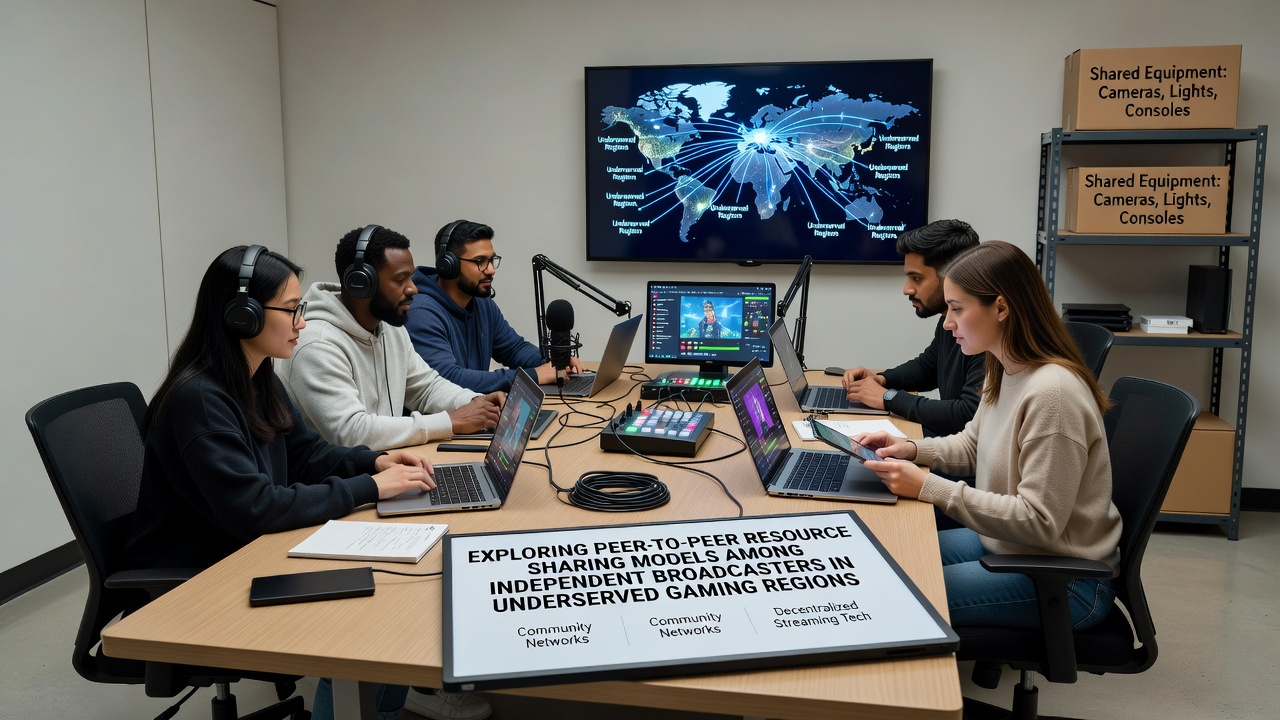
Exploring Peer-to-Peer Resource Sharing Models Among Independent Broadcasters in Underserved Gaming Regions
Independent broadcasters operating in regions with limited infrastructure often rely on peer-to-peer resource sharing models to sustain live gaming streams, and these approaches connect small-scale operators through decentralized networks that distribute bandwidth, storage, and processing power among participants. Data from regional connectivity studies shows that such models emerged as practical responses to inconsistent internet access in rural and remote areas where traditional streaming platforms demand high upstream speeds that remain unavailable to many users.
Core Mechanisms of Resource Sharing
Broadcasters in these environments establish direct node connections that allow one participant to relay video packets to another while sharing access to local hardware like encoders or capture devices, and this setup reduces individual dependency on centralized servers that frequently experience congestion during peak gaming hours. Researchers at institutions tracking digital inclusion have documented how these networks form organically when operators exchange IP addresses and coordinate through simple protocols adapted from file-sharing systems, yet they incorporate additional layers for latency management during extended esports sessions.
Participants typically allocate portions of their available upload capacity to peers who face temporary outages, creating a mesh where resources flow based on real-time demand rather than fixed hierarchies, and evidence from network traffic analyses indicates that this distribution maintains stream stability even when primary connections drop below standard thresholds. Observers note that coordination often occurs via dedicated chat channels or lightweight applications that log contributions without requiring complex authentication, allowing quick adjustments during live events.
Regional Applications and Adaptations
In parts of Southeast Asia and parts of Africa where gaming communities have grown rapidly despite infrastructure gaps, independent broadcasters have implemented hybrid P2P systems that combine local Wi-Fi hotspots with shared satellite links, and a June 2026 report from the Australian Digital Inclusion Agency highlighted similar patterns emerging in remote Australian outback towns where operators pool data allowances to cover tournament broadcasts. These adaptations prioritize low-overhead protocols that minimize packet loss, enabling consistent delivery of high-action gameplay footage to audiences spread across multiple time zones.
Case examples include clusters in Eastern Europe where operators share GPU resources for encoding during squad-based survival game marathons, resulting in fewer interruptions as documented in university-led connectivity surveys from institutions in Canada. The models scale by allowing new entrants to join through invitation-based verification, which keeps the network manageable while expanding coverage to additional underserved pockets.
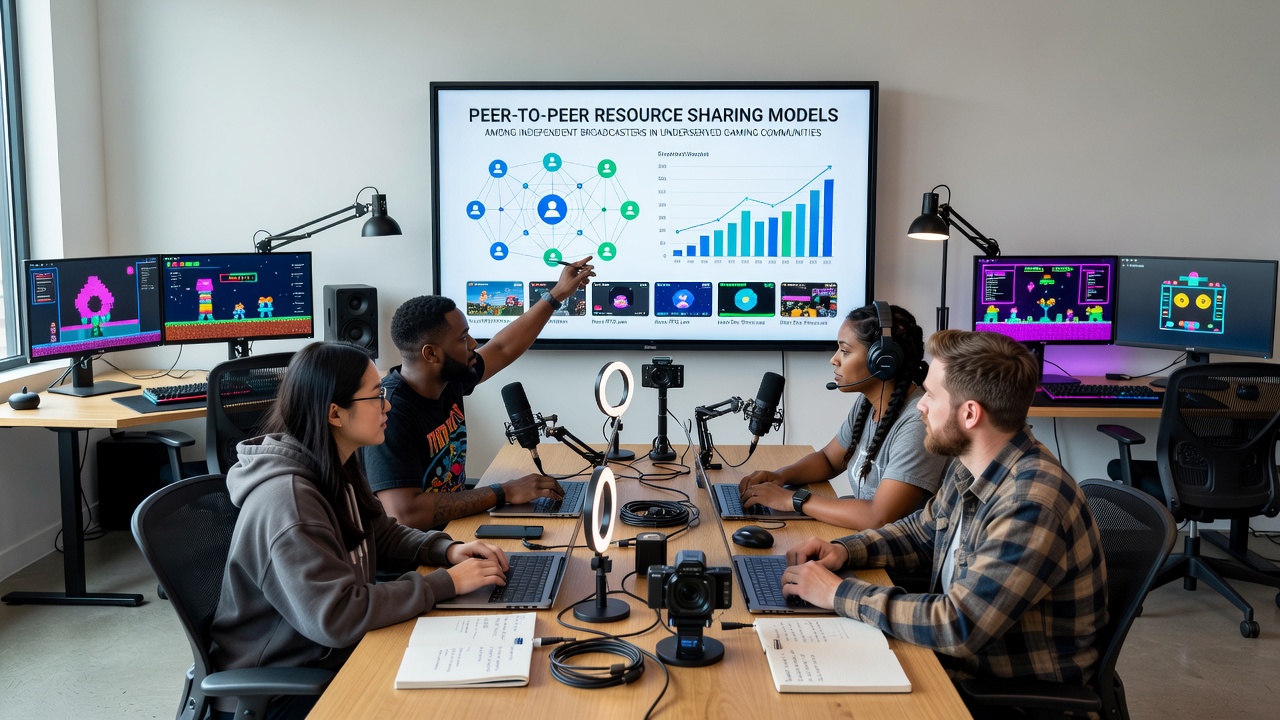
Technical Considerations and Performance Data
Encoding parameters within these P2P frameworks adjust dynamically based on shared feedback loops that monitor jitter and throughput across nodes, and figures from industry reports reveal that average stream uptime increases by measurable margins when operators implement redundant routing paths. Software forks derived from open-source streaming tools handle the distribution logic, incorporating error correction that compensates for variable mobile or fixed-line conditions common in gaming regions outside major urban centers.
Security elements focus on encrypted tunnels between verified peers to protect stream keys and viewer data, while contribution metrics help balance load so that no single broadcaster bears disproportionate strain during high-viewership periods. Studies tracking these implementations across multiple continents show consistent patterns where network resilience improves as participant numbers grow, provided initial setup includes basic firewall rules and bandwidth caps.
Broader Ecosystem Effects
Resource sharing extends beyond technical infrastructure to include collaborative scheduling that prevents overlapping broadcasts on shared channels, and this coordination supports monetization efforts through collective audience building in markets where individual reach stays limited. Government agencies in the European Union have tracked related digital equity initiatives that indirectly support these grassroots networks by funding community access points, creating environments where P2P models integrate with public resources.
Training sessions organized by local gaming associations teach operators how to configure nodes efficiently, leading to wider adoption as measured in participation logs from regional events. The approach also facilitates knowledge exchange about game-specific optimizations, such as adjusting bitrates for titles with intense graphical demands during cooperative play sessions.
Conclusion
Peer-to-peer resource sharing among independent broadcasters continues to evolve as a response to connectivity constraints in underserved gaming regions, with ongoing data collection from academic and regulatory sources providing insights into scalability and effectiveness. These models demonstrate measurable impacts on stream reliability through distributed resource allocation, and their expansion aligns with broader efforts to bridge digital divides in gaming communities worldwide.