Cross-Platform Sync Challenges in Coordinating Simultaneous Broadcasts of Cooperative Indie Titles Across Disparate Viewer Devices
Zara Franke · Jun 27, 2026
Cross-Platform Sync Challenges in Coordinating Simultaneous Broadcasts of Cooperative Indie Titles Across Disparate Viewer Devices
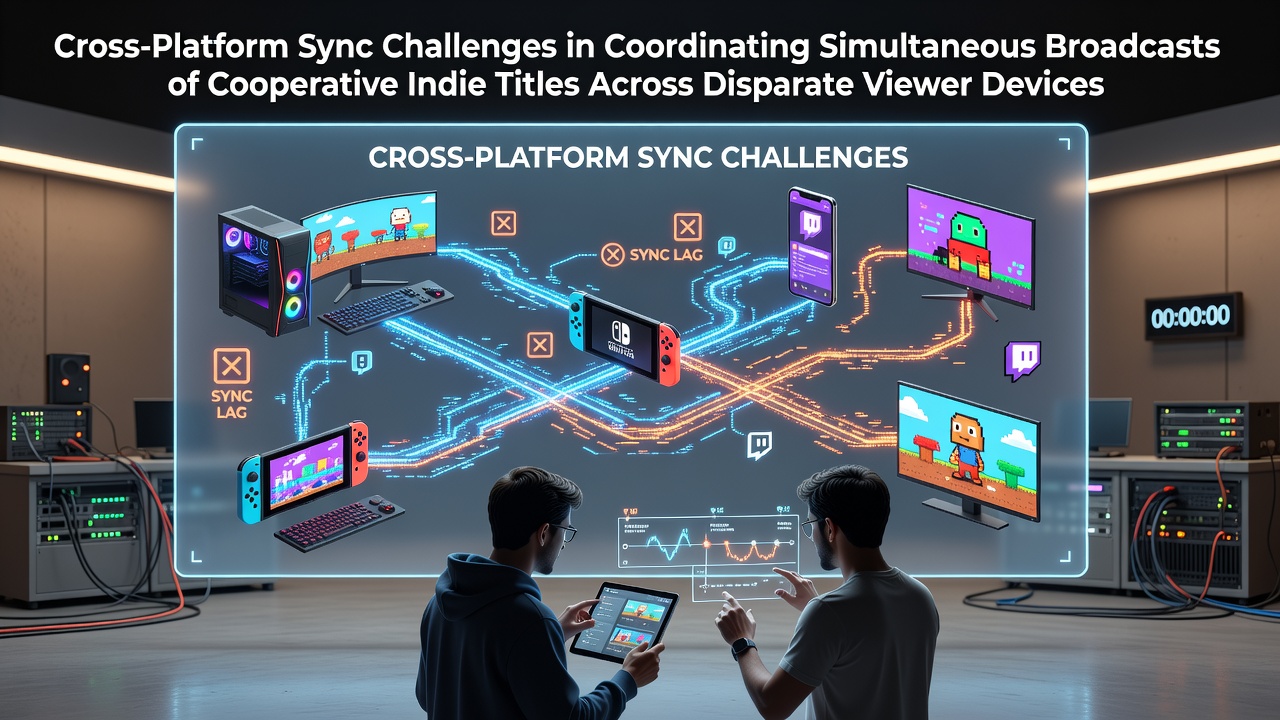
Cooperative indie titles have gained traction among developers and audiences alike, yet coordinating simultaneous broadcasts across phones, tablets, consoles, and desktop systems introduces persistent synchronization hurdles that affect timing, audio alignment, and shared gameplay visibility for viewers. These issues stem from differences in hardware processing speeds, operating system architectures, and network protocols that handle data packets at varying rates. Observers note that even minor delays compound during group sessions where players coordinate actions in real time, leading to mismatched on-screen events that disrupt the collective experience.
Core Technical Barriers in Multi-Device Environments
Latency variations arise when broadcast software encodes video and game state data for transmission, while each receiving device decodes and renders content according to its own capabilities. Mobile devices often apply aggressive power-saving modes that throttle CPU cycles, whereas dedicated gaming hardware maintains consistent frame rates. Researchers have documented cases where audio tracks drift by several hundred milliseconds across platforms, forcing broadcasters to implement custom buffering layers that attempt to align streams without introducing noticeable pauses. What's interesting is how indie titles, which typically run on lighter engines, still encounter these mismatches because viewer endpoints operate under separate rendering pipelines.
Data from industry reports indicates that packet loss on congested networks exacerbates the problem, as retransmission requests arrive at different times depending on the connection type. Wired setups deliver steadier throughput compared to wireless links that fluctuate with interference, and this disparity becomes pronounced when multiple viewers join the same session from mixed environments. Those coordinating broadcasts must account for these factors through adaptive bitrate adjustments, yet complete uniformity remains elusive due to the decentralized nature of device ecosystems.
Platform-Specific Compatibility Factors
Operating system differences further complicate synchronization efforts, since iOS, Android, Windows, and console firmware each handle timestamping and clock synchronization in distinct ways. A cooperative session broadcast from a PC might embed precise event markers, but a tablet viewer could interpret those markers with offsets introduced during decoding. Experts have observed that indie developers often release updates to address these inconsistencies, yet viewer-side applications lag behind because updates depend on separate approval processes from app stores and hardware manufacturers. In June 2026, several cooperative titles incorporated enhanced timestamp protocols following discussions at international developer gatherings, though adoption rates varied by platform support timelines.
Screen resolution and aspect ratio variations add another layer, as content scaled for a large monitor appears cropped or letterboxed on smaller handheld screens. Broadcasters address this through server-side scaling, while viewers sometimes apply manual overrides that shift timing further out of alignment. Figures from connectivity studies reveal that regions with diverse device penetration, such as urban centers mixing legacy hardware with newer releases, report higher incident rates of desync during peak viewing hours.
Network and Infrastructure Influences
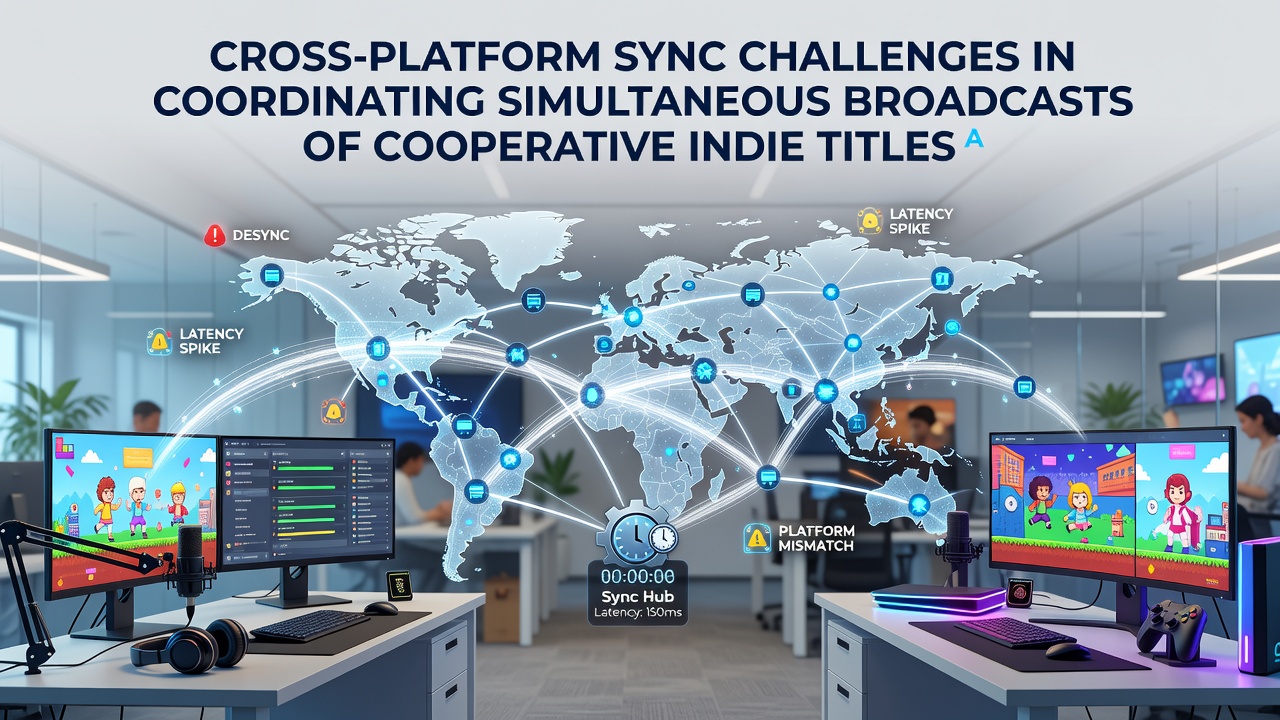
Variable network conditions play a central role, with upload speeds at the broadcast origin determining how evenly data reaches endpoints. Cooperative gameplay relies on shared state updates that must arrive within tight windows to maintain immersion, yet upstream congestion or regional routing differences create uneven delivery. According to analyses from the Entertainment Software Association, cooperative broadcasts spanning international audiences encounter additional hurdles from transcontinental latency that no single optimization fully resolves. Viewers in areas with emerging 5G infrastructure sometimes experience better consistency than those on established broadband, highlighting geographic infrastructure gaps.
Buffering strategies offer partial relief by holding frames until slower devices catch up, though this approach risks introducing artificial delays that alter the pace of fast-paced cooperative sequences. Software tools from open-source communities provide configurable options for clock synchronization, allowing broadcasters to fine-tune offsets based on real-time feedback from test viewers. Still, the underlying challenge persists because disparate devices lack a unified reference clock for cross-platform events.
Emerging Mitigation Approaches and Industry Responses
Developers and broadcasters experiment with middleware layers that abstract device differences, embedding synchronization beacons directly into game code rather than relying solely on streaming software. These beacons trigger coordinated actions across viewer instances, reducing drift during key cooperative moments. Academic investigations, including work referenced through university repositories, have tested distributed timing protocols that adapt to individual device profiles without requiring hardware upgrades. One study from a Canadian research group demonstrated measurable improvements in alignment accuracy when combining predictive buffering with device fingerprinting techniques.
Viewer feedback mechanisms integrated into chat overlays help identify desync instances quickly, enabling on-the-fly corrections. Industry groups continue to refine standards for broadcast metadata that carry timing information compatible across ecosystems. Yet the decentralized development of indie titles means solutions often emerge piecemeal, with each game addressing specific pain points rather than universal frameworks.
Conclusion
Cross-platform synchronization in cooperative indie broadcasts remains an evolving technical domain shaped by hardware diversity, network variability, and platform policies. Data shows ongoing refinements through protocol updates and adaptive tools, while persistent gaps require continued coordination among developers, broadcasters, and infrastructure providers. Observers continue to track how these elements interact during live sessions, noting incremental progress that supports broader accessibility for distributed audiences.