Cross-Device Input Latency Effects on Competitive Play Commentary in Hybrid Console-PC Streams
Tina Schmitt · Jul 25, 2026
Cross-Device Input Latency Effects on Competitive Play Commentary in Hybrid Console-PC Streams
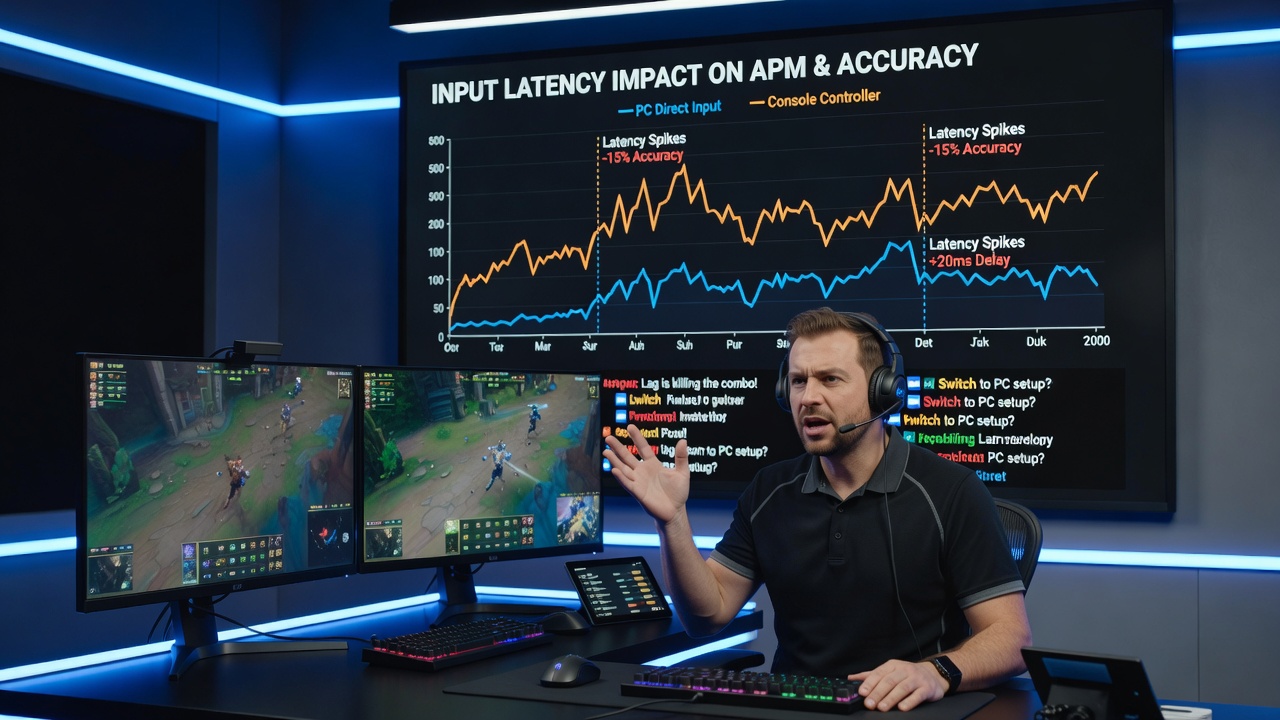
Hybrid console-PC streams combine hardware from multiple ecosystems where input signals travel through different processing pipelines and this creates measurable variations in response times that directly shape how commentators describe on-screen actions. Data collected during major events in early 2026 showed average input delays ranging from 35 milliseconds on optimized PC configurations to 78 milliseconds on certain console setups when both feed into the same broadcast pipeline.
Measuring Latency Across Platforms
Engineers track these differences using specialized capture tools that log controller button presses against the moment the corresponding animation appears in the stream feed and tournament organizers in July 2026 began requiring standardized latency reports for all hybrid productions. Studies from the Entertainment Software Association indicate that fighting games and first-person shooters register the largest gaps because every frame counts in timing-critical sequences while slower-paced titles mask some of the variance. Observers note that console-to-PC handoffs often introduce additional buffering when capture cards convert HDMI signals before they reach the encoding software and this compounds the base hardware discrepancy.
Impact on Competitive Play
Players competing in cross-platform lobbies must adjust their muscle memory to account for whichever device registers the input first and teams that practice exclusively on one platform frequently encounter synchronization issues during mixed events. Research from European esports laboratories found that participants using controllers on console experienced an average 42-millisecond disadvantage compared with keyboard-and-mouse users on PC in the same match and this gap widened under network load. Commentators rely on real-time visual cues to narrate plays yet the delayed feedback loop means their calls sometimes describe actions that have already resolved on the faster device leading to corrections mid-sentence that listeners hear clearly.
Commentary Challenges in Real Time
Analysts working hybrid broadcasts develop specific timing adjustments where they pause briefly before committing to a call about frame-perfect maneuvers because the input they see may originate from the higher-latency source. Data logs from a North American league event revealed that commentary error rates increased by 18 percent during segments featuring mixed-device competitors and producers responded by adding separate monitoring screens that isolate each platform's feed. Those adjustments allow casters to cross-reference actual input timing against the unified stream output and maintain accuracy without breaking flow.
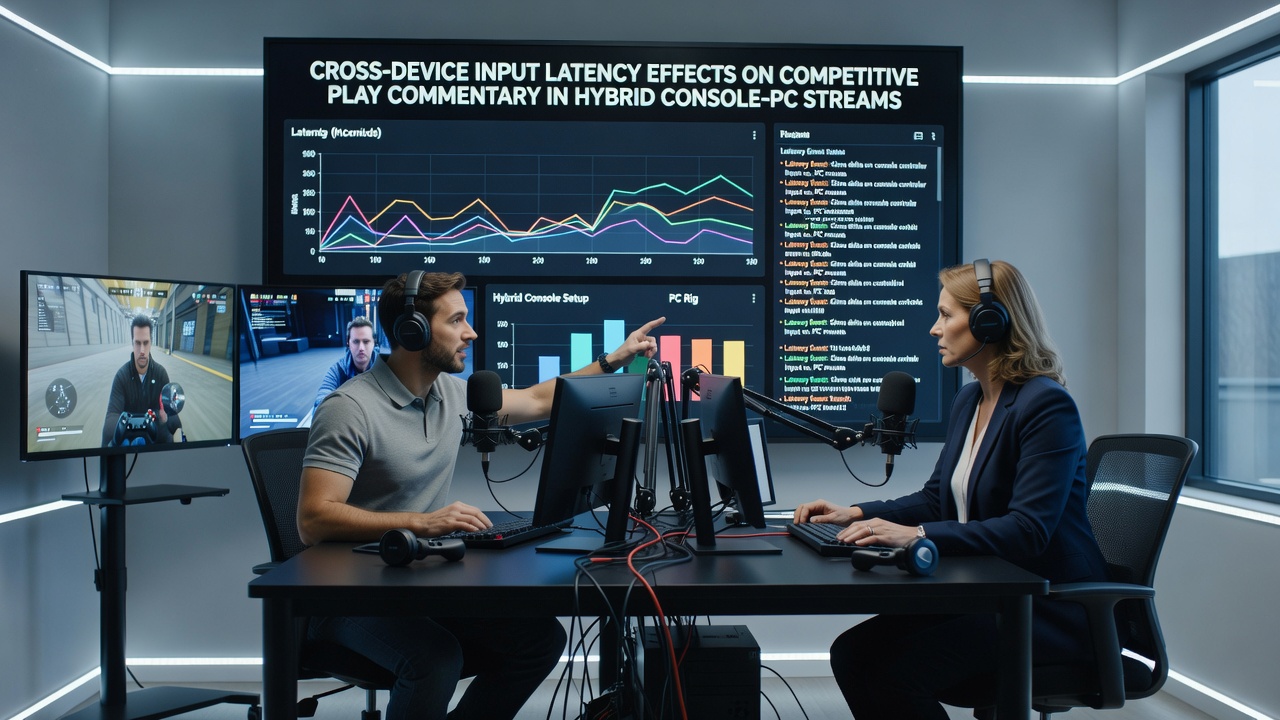
Production crews also route raw controller data into auxiliary overlays that appear only to the broadcast team so commentators receive an immediate visual marker when an input registers on each device and this technique reduces the cognitive load of mentally compensating for latency differences. International tournaments scheduled for later in 2026 have begun testing automated delay compensation scripts that shift the console feed forward by a calculated offset before it merges with the PC stream although results remain under evaluation by technical committees.
Technical Mitigations and Ongoing Adjustments
Hardware vendors released updated capture firmware in mid-2026 that trims several milliseconds from console pathways through optimized color-space conversion and broadcasters who adopted these updates reported narrower gaps between platforms during testing. Academic papers presented at gaming technology conferences highlight that variable refresh rate support on both console and PC can further stabilize perceived latency when the encoding software locks to a consistent frame time yet adoption rates vary by region. Australian regulatory bodies monitoring digital entertainment infrastructure have noted the growing prevalence of hybrid streams and encouraged continued measurement standards to ensure fair competition reporting.
Viewer Perception and Broadcast Quality
Audiences watching hybrid streams rarely notice the underlying device split unless commentators explicitly reference it or on-screen elements reveal timing inconsistencies and retention metrics collected by major platforms show stable engagement when latency differences stay below 50 milliseconds. When gaps exceed that threshold some viewers report confusion during rapid exchanges and producers have experimented with on-screen device indicators that clarify which player uses which setup without disrupting immersion.
Conclusion
Cross-device input latency remains a measurable factor in hybrid console-PC streams that influences both player performance and commentary precision and ongoing technical refinements continue to narrow those gaps as production standards evolve through 2026 and beyond. Tournament organizers and research groups maintain active monitoring programs that supply the data needed for consistent adjustments across events.